Brain Injury Lawyer Denver: Legal Rights After a Fall on Unsafe Property
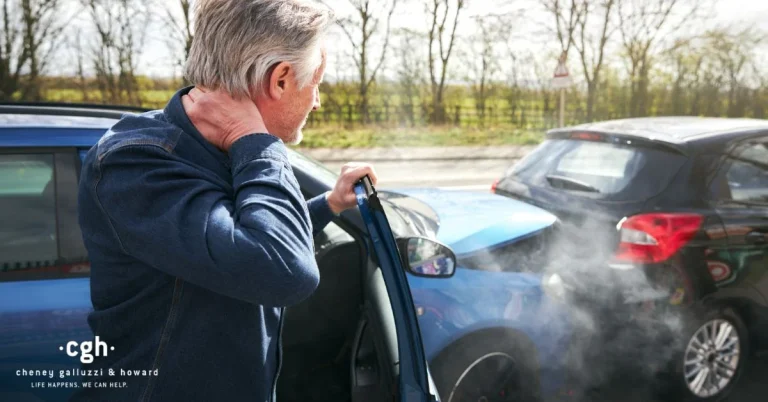
A fall on unsafe property can change a life in seconds. One hard strike to the head on concrete, tile, a stair edge, or an icy walkway can leave a person with far more than bruises. The most serious cases involve traumatic brain injuries, and those injuries are often misunderstood in the first days and weeks after an accident. Someone may look fine, speak clearly, and still struggle with memory loss, headaches, light sensitivity, mood changes, or a dangerous delay in symptoms.
When the fall happened because a property owner ignored a known hazard, the legal issues become just as serious as the medical ones. A claim is not simply about a stumble. It is about whether the property was reasonably safe, whether the danger should have been fixed or warned about, and whether the owner or occupier had the chance to prevent what happened.
For anyone searching for a Brain Injury Lawyer Denver, the central question is usually practical: what rights do I have after a fall on unsafe property, and what steps matter most right now? The answer depends on the facts, but some legal principles come up again and https://codyxwea936.evergrovio.com/posts/brain-injury-lawyer-denver-tips-for-building-a-strong-case again in Denver premises cases.
Why brain injury cases after a fall are different
A broken wrist announces itself right away. A brain injury often does not. That difference matters both medically and legally.
In real cases, people often minimize what happened. They say they were embarrassed. They got up too quickly. They drove home. They went to work the next day. Then the headaches started. Or the spouse noticed personality changes. Or a parent realized their child was sleeping far more than usual. In older adults, the signs can be even harder to spot because dizziness, confusion, and fatigue may be written off as something else.
From a legal standpoint, delayed symptoms create room for insurance companies to argue that the injury is minor or unrelated. That argument is common, especially when the person did not go straight from the property to the emergency room. It is not always a good argument, but it appears often enough that people should be ready for it.
Brain injury claims also tend to involve losses that do not fit neatly on a billing statement. A concussion or more severe traumatic brain injury can affect concentration, processing speed, emotional regulation, and stamina. Those losses can reduce earning capacity, strain marriages, interrupt school, and make ordinary tasks feel much harder. A case that looks modest on the surface can turn into a major damages claim once the full impact becomes clear.
Unsafe property is broader than many people realize
Most people think of a wet grocery store floor when they hear the phrase premises liability. In practice, unsafe property in Denver can take many forms. A fall may involve an unshoveled or untreated sidewalk, a broken handrail, loose flooring, poor lighting in a stairwell, a hidden change in elevation, a slick entryway during snow, or debris left in a walking path. Apartment buildings, office complexes, hotels, bars, restaurants, parking lots, and private homes all show up in these cases.
Colorado weather adds its own layer. Ice and snow are obvious hazards in Denver, but that does not mean every winter fall automatically creates liability. Property owners are not insurers of everyone who steps onto the premises. The legal question is usually more specific. Was there a dangerous condition? Was it one the owner or occupier knew about, or should have known about? Did they have a reasonable opportunity to address it? Was there a warning? Did the injured person have any role in what happened?
That fact-specific analysis is why strong cases are built on details, not assumptions. Two icy sidewalk cases can look similar from a distance and turn out very differently after the photographs, weather timing, maintenance logs, witness accounts, and lease documents are reviewed.
The legal foundation of a fall claim in Colorado
In Colorado, property injury claims often turn on premises liability law. The status of the injured person can matter. For example, the law may treat a customer, a social guest, and a trespasser differently. A customer entering a business during operating hours usually receives greater legal protection than someone who wandered into a restricted area without permission.
That said, many falls involving brain injury happen to people who had every right to be there. They were shopping, visiting family, attending an appointment, delivering packages, renting an apartment, or walking through a common area the public was invited to use.
The core issues tend to be these:
- Whether a dangerous condition existed
- Whether the property owner or responsible party knew or should have known about it
- Whether reasonable steps were taken to fix it or warn about it
- Whether the condition caused the fall
- Whether the fall caused the brain injury and related losses
Those elements sound simple. They rarely are. Ownership and control may be split among several parties. A national retailer may lease the space, while a property manager handles maintenance and a snow removal contractor manages outdoor surfaces. In a condominium or apartment setting, a landlord, homeowners association, maintenance company, or tenant may each point at someone else. A skilled case review often starts by identifying who actually controlled the area where the fall occurred.
The first week matters more than people expect
The earliest decisions after a head injury can shape both recovery and the strength of a legal claim. People do not need to think like litigators while they are hurt, but they do need to protect themselves.
Medical evaluation comes first. Head injuries can worsen, and some symptoms do not become obvious until hours later. A person who loses consciousness, vomits, develops severe headaches, shows confusion, has slurred speech, or exhibits unusual behavior needs prompt medical attention. Even a so-called mild concussion deserves careful follow-up if symptoms persist.
Documentation is next. Unsafe conditions are often temporary. The puddle gets mopped. The ice melts. The spill is gone. The broken step is repaired. Surveillance footage may be overwritten in days or weeks. A manager who says, “We’ll take care of it,” may not preserve the evidence unless someone formally requests it.
If possible, gather the basics at once:
- photographs or video of the hazard and surrounding area
- names of witnesses and employees present
- a copy of any incident report or at least the report number
- the shoes and clothing worn during the fall
- a written record of symptoms in the days that follow
That short list often makes a major difference later. In one recurring pattern, a person reports the fall but never obtains witness information. Months later, the business denies the floor was wet or says warning signs were posted. Without photos or witness accounts, the injured person may face a credibility fight that could have been avoided.
What property owners and insurers usually argue
Insurance carriers rarely open with sympathy for long. Once a claim involves a significant brain injury, the defense often shifts quickly to limiting responsibility.
One common argument is notice. The owner may say the hazard appeared only moments before the fall, leaving no reasonable time to discover and fix it. That can be a legitimate defense in some cases. If another customer spills a drink ten seconds before a fall, the owner may not be liable. But notice can also be proven indirectly. Dirty meltwater tracked repeatedly through an entryway, a long-standing leak, worn stairs, or recurring black ice can show the condition was not sudden at all.
Another common argument is that the hazard was open and obvious. Defendants may claim any reasonable person would have seen it. That issue is nuanced. A danger can be visible and still unreasonably unsafe, especially where lighting is poor, distractions are foreseeable, surfaces are deceptive, or safe alternatives are limited.
Then there is causation. In brain injury cases, the insurer may argue the symptoms come from stress, a prior condition, a later event, or unrelated medical issues. This is where careful medical documentation matters. Neurology records, imaging when appropriate, neuropsychological testing, vestibular evaluations, and treating provider notes can help connect the dots.
Finally, comparative fault often appears. Colorado generally follows a modified comparative negligence system in many injury cases, which means an injured person’s compensation can be reduced if they share fault, and recovery may be barred if their share reaches a certain threshold. The exact application depends on the claim, so facts matter. Insurers may argue the person wore unsafe footwear, ignored warning signs, looked at a phone, or used an area they should have avoided. Sometimes those points have some force. Sometimes they are post-accident storytelling designed to shift blame.
Brain injuries often outlast the visible injuries
A major mistake in settlement discussions is focusing only on the emergency room bill and a few weeks of symptoms. Brain injury claims need a longer lens.
The financial losses can be direct and obvious. Hospital care, ambulance transport, imaging, specialist appointments, therapy, medication, and follow-up care add up quickly. If symptoms interfere with work, there may also be lost wages. For self-employed people, the loss can be harder to measure but no less real. Missed projects, canceled contracts, reduced productivity, and damaged client relationships can exceed a simple paycheck calculation.
The harder losses are often the ones that matter most to families. A person may become irritable, withdrawn, forgetful, or overwhelmed by noise. They may be physically present at dinner and mentally absent. A parent who once managed a full household may now need naps after a grocery run. A professional who handled complex tasks with ease may struggle to read dense material or sit through meetings.
Colorado law may allow recovery for both economic and non-economic damages in appropriate cases. In severe matters, future medical needs and loss of earning capacity can become central. These are not abstract concepts. They are the practical costs of rebuilding daily life after a preventable injury.
Special issues when the fall happens at an apartment complex, store, or public property
Not every property claim follows the same path. Context changes the legal and procedural landscape.
At an apartment complex, maintenance records, tenant complaints, prior incidents, and lease responsibilities often matter. If multiple residents reported a loose stair tread or recurring ice near a downspout, the case may be stronger than one where the hazard appeared unexpectedly that morning.
In a retail store, surveillance footage is often crucial. So are cleaning logs, inspection policies, weather protocols, and employee testimony. Large chains usually have claims departments and defense counsel experienced in these cases. That does not make them unbeatable. It does mean the evidence must be developed early and carefully.
Public property claims can be more complicated still. If the fall happened on city, county, or other government-controlled property, special notice rules and shorter deadlines may apply. In Colorado, claims involving public entities can trigger requirements that are very different from ordinary injury cases. Missing those deadlines can destroy an otherwise valid claim. Anyone dealing with a possible government defendant should verify timing immediately rather than relying on assumptions about a standard two-year period.
What a Brain Injury Lawyer Denver actually does in these cases
People sometimes think hiring counsel means filing a lawsuit the next day. Often the most valuable work happens long before that.
A good Brain Injury Lawyer Denver will usually start by locking down evidence. That may include sending preservation letters for video footage, obtaining incident reports, identifying all potentially responsible parties, photographing the scene, and collecting witness statements while memories are still fresh. In a weather-related case, counsel may also review timing, forecasts, maintenance contracts, and service records.
Medical development is just as important. Brain injuries are notoriously underappreciated when records are thin or fragmented. A lawyer familiar with these claims will usually want a clear picture of diagnosis, treatment course, functional limitations, and prognosis. Sometimes that means waiting before discussing settlement in a meaningful way. Quick settlements are attractive when bills are coming in, but they can be dangerous if the long-term consequences remain uncertain.
Case valuation is another area where experience matters. A claim involving a “simple fall” can be badly undervalued when the real damage is cognitive fatigue, reduced executive function, or persistent vestibular dysfunction. Those issues do not always show dramatically on a scan, but they can alter a person’s work life and home life for months or years.
If negotiation fails, litigation may be necessary. That phase can involve depositions, expert review, document requests, and close examination of notice, causation, and damages. Not every case should be filed. Some should. Judgment matters more than volume.
A brief example of how the facts can shift a case
Imagine two people fall on winter ice outside separate Denver businesses.
The first person slips at 8:05 a.m., minutes after freezing drizzle begins. Employees are actively setting out treatment materials and warning cones. No one had reported a problem before the fall. That case may be difficult because the owner may not have had a reasonable chance to address the condition.
The second person falls at noon in a shaded area where melting snow from a gutter has refrozen for days. Several employees walk past it. A delivery driver mentions that he nearly slipped there the day before. No salt is visible, and no warning signs are posted. If the person strikes their head and develops lasting post-concussive symptoms, the liability story is much stronger.
Those examples are not guarantees. They show why these claims rise or fall on specifics.
Settlement pressure comes early, often before the injury is understood
After a serious fall, people are vulnerable. They may be missing work, juggling appointments, and worried about rent or mortgage payments. Insurers know this. A fast settlement offer can feel like relief. Sometimes it is a trap.
Once a release is signed, the claim is usually over. If symptoms worsen, if a neurologist later identifies more serious impairment, or if work problems emerge months later, there may be no second chance. That is particularly risky in brain injury cases because recovery is rarely linear. Some people improve steadily. Others hit a wall when they try to resume normal demands.
The right timing for settlement depends on medical progress, documentation, and case strength. Rushing almost never helps the injured person.
Practical mistakes that can quietly damage a claim
Not every harmful mistake is dramatic. Many are ordinary and avoidable. People downplay symptoms to doctors because they do not want to complain. They miss follow-up appointments because they are exhausted. They post on social media about being “fine” after a decent day. They throw away the shoes from the fall. They assume the property owner’s insurer will investigate fairly without being pushed.
Consistency matters. If concentration problems, dizziness, sleep disruption, or mood changes are real, they should be reported consistently and specifically. Medical records often become the backbone of the claim. Vague complaints create vague evidence.
There is also a balance to strike. Not every headache after a fall proves a major brain injury. Overstatement hurts credibility. Strong cases are built on accuracy, not drama.
When to speak with a lawyer
Some falls do not require legal action. A minor incident with no lasting injury may be resolved without much trouble. But certain features should prompt a prompt legal consultation: loss of consciousness, persistent neurological symptoms, a dangerous condition that seems documented or obvious, disputed facts about what happened, significant time away from work, or any possibility that a public entity controlled the property.
Early advice can also help preserve rights even if a lawsuit is never filed. Deadlines vary, evidence disappears, and memories fade faster than most people expect. In a serious head injury case, waiting until the insurance company has already shaped the narrative is rarely ideal.
Protecting your rights while focusing on recovery
The law cannot undo a traumatic brain injury. What it can do is shift the financial burden away from the injured person when a preventable hazard caused the fall. That burden includes treatment, lost income, future limitations, and the less visible disruptions that ripple through work and family life.
Unsafe property cases are rarely won by outrage alone. They are won with facts, timing, records, and careful analysis of who controlled the hazard and what they did, or failed to do, about it. In Denver, where winter conditions, mixed-use properties, and layered management arrangements are common, that analysis often requires a close look at the ground-level details.
For someone dealing with headaches, confusion, fatigue, or cognitive changes after a fall, legal rights may not feel urgent at first. Recovery takes center stage, and rightly so. Still, the strongest claims usually begin when medical care and evidence preservation start early, before the scene changes and before the story hardens in the insurer’s file. When a property owner’s negligence led to a head injury, understanding those rights is not a technical exercise. It is part of protecting the future.
CGH Injury Lawyers
Address: 2701 Lawrence St Ste 201, Denver, CO 80205
Phone number: +17206698062
FAQ About Brain Injury Lawyer Denver
What to avoid after brain injury?
After a brain injury (such as a concussion or traumatic brain injury), protecting your brain from physical, mental, and chemical stress is critical to proper healing.
What is a brain injury lawyer?
A brain injury lawyer (or Traumatic Brain Injury / TBI lawyer) is a personal injury attorney who represents individuals who have suffered concussions, contusions, hemorrhages, or other forms of brain trauma caused by someone else's negligence, recklessness, or intentional harm.
Can traumatic brain injury be cured?
A traumatic brain injury (TBI) cannot be strictly "cured" in the sense of reversing permanent cell death or restoring the brain to its exact pre-injury state. However, the brain possesses a remarkable ability to heal and adapt.
Corrections
Spot something wrong? Send it to the desk and it gets fixed in the open.